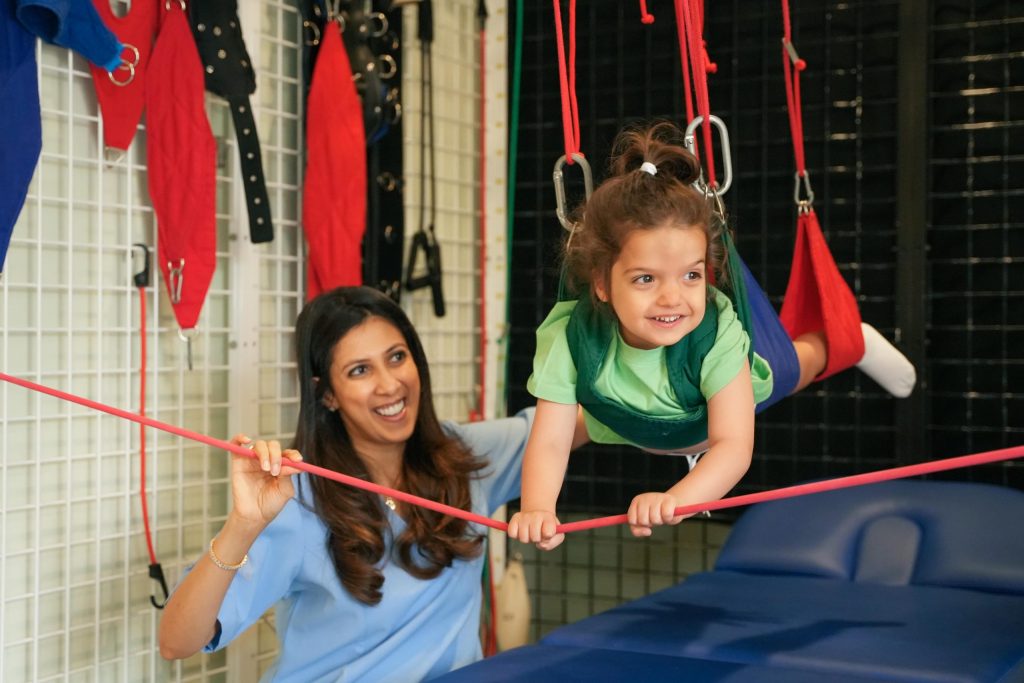
When Babies Benefit From Infant Physiotherapy
Did you know every baby has their own timeline for rolling, sitting, and crawling? Most get there on their own, but some want a bit of coaching for their muscles. That’s where infant physiotherapy comes in.
It’s a soft and playful way to help your baby move with greater comfort and build the strength for their next big achievement.
Early arrival:
Babies born early often benefit. They move from the cozy womb to the world sooner than expected. Their muscles and nerves are still growing. Infant physiotherapy helps these little ones catch up. It guides them through the natural steps of development they missed.
Tight or floppy muscles:
You might see a baby who keeps their fists clenched very tight. Another baby might feel loose, like a rag doll. Both can make moving hard. A therapist uses soft stretches and fun exercises. This play helps balance muscle tone so babies can reach and kick with ease.
Torticollis and flat head:
Sometimes a baby likes to look only one way. This can make a neck muscle tight, called torticollis. It can also lead to a flat spot on the head. Physiotherapy shows parents gentle neck stretches. It also gives ideas for play that encourage the baby to turn both ways.
Reaching milestones late:
Is your baby not rolling, sitting, or crawling when most others do? A physiotherapist looks at why. They create a plan with fun activities. These activities help the baby learn these important skills through games and movement.
Brain differences:
Some babies are born with conditions that affect how the brain talks to muscles. This can make movement a challenge. Early physiotherapy is very important here. It encourages babies to move in new ways. It builds pathways in the brain for better coordination and strength.
After a hospital stay:
A long stay in the hospital can slow a baby’s development. They may have had surgery or been unwell. Physiotherapy helps them get strong again. It supports them in getting back on track with their movement skills in a safe way.
Infant physiotherapy is a helping hand. It is not scary or hard. It is about playful interaction that makes moving easier. If you have questions about how your baby moves, talk to your doctor. They can tell you if this gentle guidance is a good step for your child.